It’s also the day after the 22nd anniversary of my little brother passing in a road traffic collision which, I’ve just realised (as I type this) means he’s been gone half of my life now. So as every year passes from now, I’d have spent more and more of my life without my baby brother. I guess it’s a significant milestone.
It is 44th birthday. Which also means, I’m the same age my Dad was when he passed away. Another milestone reached.
What effect does that have on a man?
Well, it means I’ve been sat here pondering, comparing my life, my achievements to his, wondering what he’d make of the life his eldest son has created, and basically wondering, where the hell do I go from here?
Jeez, ever feel like milestones come along and emotionally beat you up?
This post isn’t intended to be a negative emotional drain. That’s not who I am, how I live my life, or my general perspective on the world. But I do think it’s worth acknowledging these milestones.
I need to acknowledge them as, subconsciously, I think it’s been affecting me. I’ve been feeling quite emotional, lost, and not really knowing what to do with myself or how to feel.
So, why am I posting this?
Well, I guess the main thing I wanted to do is express myself. But in doing so, I also wanted to say to anyone that needs to know it, that it’s OK to feel how you feel. Whatever it is you’re feeling, honestly, it’s OK.
These days, society is telling us to control our feelings, or that if we are feeling anything negative that we should seek help. But here’s the thing, feeling low, negative, sad, whatever, is a perfectly normal, natural emotion. It means you’re human. It means you’re alive.
Feeling anything other than happy and content can suck! I know! But don’t be too quick to try to get rid of the feeling. Recognise it, try to understand why, try to address it as best you can, learn from it, build resilience from it, and try to get stronger from it.
I always tell myself (and I’ve stated it in a previous post) that we’re given the life we have the strength to handle. Trust me, there have been times I’ve struggled to believe this and have wished I really wasn’t so strong.
But, each time, I take time to reflect, to think about how I feel, why I might feel this, and if there’s anything I can do about it. There’s no magic cure to feeling low or sad.
I didn’t know why I was feeling like I was, and then it hit me when I started writing this. I’ve been able to understand why. Of course, that doesn’t mean the feeling instantly goes away, but recognising, and trying to understand are the first stages of being able to the take action and move forward.
So, I guess my message is this: your feelings are valid. Positive, negative, good, bad, indifferent. Whatever it is, it’s valid. Don’t try to hide away from it. Don’t think you need to suppress it. Don’t try to numb it. I know it seems like a good idea to try to numb the emotions you’re feeling sometimes, especially the negative painful ones, but I truly believe that to tackle the feelings, to address what you need to address, and to be able to face your challenges head on, you need to be fully present, engaged, sober, and without influence or compromise. Think of it as going cold turkey on dealing with your emotions. No one said it’ll be easy, but in time, it’ll definitely help you understand yourself.
The things we experience in life are all part of developing us in to the people we’re destined to become. If we don’t allow them to control us, we can grow strong from them and we can use our experiences to help others.
Anyway – as I said, it’s my birthday., and I’m choosing to go and celebrate – Cheers!
Most of us have to work, we need to earn money to put a roof over our heads, feed our families, to protect and provide for the ones we care about.
For many of us, work means being part of, or maybe leading a team. So naturally, we want it to be a great place to be, right? Of course we do!
A great team culture is hugely important, not least because we spend so much of our time at work, but it also influences our morale, wellbeing, and self-esteem. The culture can genuinely be the difference between someone loving their job, or hating it. Even the most mundane work tasks can be accommodated if the culture is right.
As managers, as leaders, we have a lot of things to think about but one of the first things you should be doing is focusing on creating a culture that breeds success and allows everyone to thrive.
What is culture?
There are a few definitions but ultimately, culture is the values, beliefs, behaviours, practices, language, communication, and ‘norms’ that a group of people share, making them a collective.
Why is it important?
The culture at work can make or break how people feel about working in your team, department, or organisation. It’s often more important than the work itself as many of us can handle dull, repetitive tasks in a pleasant culture but if the culture is hostile, people will want to leave even the most rewarding of work.
Every organisation has its own culture, or at least, a description of what it wants its culture to be. If the employee experience doesn’t match what you’re saying, there’s some work to be done.
As a manager, as a leader, and as a team member, everyone has a role to play in developing the culture they want, one in which they, and everyone else can thrive, which ultimately, will lead to job satisfaction and success.
In my experience – these are the 6 things to focus on:
Create a team identity
You need to create a sense of unity amongst people so they know what makes this team THIS team – i.e. in THIS team WE work for each other, WE support each other, WE nurture. In THIS team, WE do what is right for the customer, WE take responsibility. In THIS team, we are open, honest, respectful. In THIS team, WE do the best WE can.
Have core values and principles
For example, working collaboratively and with integrity are key principles that run through all my teams – we have our roles to play, we work together, and we do what is right.
You can’t dictate or force the culture. Sit with your team, talk about about what they value and how they want to work. By creating your own core values – they’ll be much more engaged and are more likely to ‘live’ the values of the team if they’re the ones that have developed how they want things to be.
“When people believe they can be better,
they put in the effort to get there”
Steve Cooper, 2022
Nurture
We all have a responsibility to nurture others, to help each other grow, to develop skills, promote self-esteem, and increase confidence. By nurturing others, you create an environment where everyone believes they can be better, feeling safe and able to try harder.
It’s like anything in life, when people believe they can be better, they put in the effort to get there. I’ve seen people who have been in jobs for 5, 10, 20 years, lack confidence in their ability – predominantly, that’s because of the culture so take time to nurture those around you.
Give permission
Managers struggle with this but, allow people to think for themselves and take responsibility for making decisions (appropriate to their role). When people feel trusted, respected, and valued, their level of input to the team culture and work output will be off the charts – trust me. I’ve done it, I’ve seen it. Allow people to make and learn from their mistakes. If people are scared of making mistakes, they’ll never feel comfortable putting in maximum effort.
Celebrate successes
Not enough is done to celebrate success. It doesn’t matter how big or small – celebrate your successes. A customer emails to say “thanks, I had a great time at the event” – share that with the team, celebrate the difference you made to that individual, the difference you, as a collective, made to that customer. If an individual is recognised in the feedback, give them a pat on the back – because it was the collective efforts of the team that allowed them to be able to do what they did. If someone’s done a great piece of work or has achieved something, give them a shoutout in front of their colleagues – let everyone know that the effort being put in is appreciated.
Keep working on it
Great working cultures aren’t created overnight – it takes time, effort, and commitment. Take the nurturing for example – if you take the time to nurture someone that needs it, whether it’s job skills, confidence, whatever, identify that need and help them with it. In time, that person will recognise a need in someone else and they will nurture that person. In turn, that person will grow and nurture someone else and before you know it – you have a team where everyone is there for everyone – if you don’t believe me, you’ve never committed to it long enough to see it through.
Regardless of your role, YOU can influence the culture of your team and workplace – the power is with you to help make it a great place to work – remember, if you think you can, you will!
Are you feeling stressed? Frustrated? Dread going to work?
Is your day spent dealing with toxic people, processes, or work culture?
It’s not easy, and not a nice way to spend your days.
What is a toxic environment?
Any environment where you don’t feel safe, valued, or respected.
We all play our part in making the organisation we work for a success so whatever your role, and wherever you sit in the hierarchy, you deserve to be treated with dignity and respect.
Other signals of a toxic environment may include micromanagement, lack of progression or development opportunities, or an expectation that you regularly work beyond your contracted hours. Also, when it’s acknowledged the workload is consistently too heavy but nothing is done about it.
Toxic environments are usually a result of poor leadership where there’s a lack of competence, care, or positive example. Unfortunately, some people end up in leadership positions that don’t want it, have never developed to be there, overdose on power, or are just self-serving their own ego.
Whatever the situation, it’s difficult and can negatively impact our mental and physical wellbeing so, what can you do?
Protect yourself
Identify the source of toxicity. Once you know the route cause, you can better prepare yourself to mitigate your exposure to it and the impact.
Learn to say “no” – sometimes you need to do what’s right for you
Develop boundaries – work is what you do, not who you are so keep it contained, for example, be mindful of the hours you are working.
Document what is happening – as soon as you start to notice something isn’t right, start keeping track of what happened, and when. Hopefully you won’t need to call on it but, it’s better to be prepared.
Find a support network
Know who you can turn to for support and guidance, for example;
Colleagues in the same environment
Friends and family
Employee Assistance Programme
Look after yourself
You are responsible for you, you can’t control others or what happens but, you can control what you do in response. So make sure you;
Sleep – being well rested will help you handle any situations you face
Eat well – eating junk is easy and comforting when when you’re angry, upset, or frustrated, you’ll feel better in the long run if you don’t.
Exercise – get outside, go for a run, go to the gym, whatever it takes to release some endorphins. When you really don’t feel like it, is exactly when you should.Meditate – ten minutes of deep breathing and mindfulness can work wonders
Journal – grab a notepad, app or whatever works for you, spend a few minutes each day writing about how you’re feeling. Be sure to include three things you’re grateful for.
“The Titanic was surrounded by water,
but it only sank when it let the water in”
Do things that make you, you!
If it makes you smile, do it. Spend your time on:
Hobbies and interests
Experiencing new things, and creating memories with the people you care about the most
Doing something you’ve been meaning to do but have put off because you’re too busy, too tired, or too stressed – you’ll feel better for taking control and doing something for you rather than being affected by things you can’t control.
Don’t let them in
Toxic bosses, co-workers, and environments are difficult to put up with day-to-day but remember, you’re paid to do a job, so perform your function as best you can and leave it at that. Don’t let the toxic weight impact your life, especially outside of work hours. Learn how to switch off from work and move on with the rest of your day.
Remember, the titanic was surrounded by water, but it only sank when it let the water in.
Make like a tree…
As Biff said in Back to the Future, “make like a tree, and leave…”
OK, you’ve got commitments and responsibilities so can’t just walk away, but what you can do is begin your exit strategy.
Update your CV – there’s loads of support available online if needed
Update your LinkedIn profile (if appropriate)
Think about what you want to do and set up relevant job searches – LinkedIn, recruitment agencies etc…
Develop your interview capabilities – many people are put off applying for work because they dread interviews, do some research and learn how to approach interviews with confidence.
Don’t switch off too soon, or get too hung up on leaving quickly, otherwise you’ll find you start to get anxious because you’re focusing so much on the future, you’re forgetting to look after yourself in the here and now.
Toxic workplace cultures and people can be draining but with time, care, and a little effort, you can get the better of the situation before it gets the better of you, remember, if you think you can, you will.
Have you experienced a toxic workplace? What other tips would you add to the list?
Ever find yourself asking “Why does it have to be so complicated?”
I have! It’s the question you ask when you’re trying to get something seemingly simple done, only to end up in a tangled web of processes, forms, approvals, and protocol – frustrating isn’t it?
Us humans seem to have this innate desire to over complicate, well, everything!
If you’re guilty of this, or have experienced it, keep reading.
In many of the things we do, in both our personal and professional lives, we find we have a range of options available to us. The urge is often, “oh, I’ll use that” or “I’ll add this here, and do that there” – we can’t help ourselves!
I’ve done it. I’ve been that person that over-engineers a simple spreadsheet to make it an all singing, all dancing complex work of art. Brilliant? Yes. Necessary? No.
I’ve learned since those days, just because you can, does NOT mean you should!
Many of us have worked in that place where certain tasks just seem overly complex, often unnecessarily so. There’s a fifty-nine step process when you could it in six!
Perhaps you’ve needed to use a service where there’s a lengthy drawn out process, and numerous hoops you have to jump through just to get to the one thing that you’re entitled to. It can be so frustrating.
I’ve experienced it in a range of different environments, trust me, it happens everywhere. Colleagues will add a process step here, an additional check there, an extra form for completion at this stage and then, just for good measure, four people will need to sign it off.
Before you realise it, you’ve turned a one hour task in to a four week project!
It’s so easy (and fun) to get carried away. Often it’s because we are attempting to show how clever we are, or, when a new feature becomes available within the technology you use.
Any idiot can overcomplicate things!
The REAL genius comes in simplifying.
Focus on removing all the waste in processes, that is, the stuff that doesn’t really serve a purpose or add value. This approach has helped me drive process improvements as well as improve staff and customer satisfaction. Efficiency and effectiveness might not sound like fun, but it’s not much fun working harder than you need to either.
So, whatever it is you’re designing, creating, producing, reviewing, or processes you own, do your best to make it accessible, user-friendly, clear, easy, accurate, free from duplication, effective, and most importantly, efficient.
In other words, KEEP. IT. SIMPLE.
The acronym K.I.S.S. – Keep It Simple, Stupid! is said to have originated with the US Navy in the 1960s but, whatever context you’re in, that should always be your aim.
Think about when you’re designing processes, writing procedures, or undertaking activities – is there duplication of effort? Are there steps that don’t really make any difference? Have you included checks at certain stages, just in case? Are you actually just creating bottlenecks? If so, simplify it.
Remember, just because something has always been done like that, doesn’t mean it always has to be.
Writing reports or business cases? Think about your audience. Does all that jargon help? Do you really need to provide every detail of the inner workings of your team? Probably not. Less really is more and you can make a stronger, clearer argument which is more likely to be approved by removing the noise.
You’ll see examples of KISS applied everywhere. Think about your Amazon purchases – one of the reasons Amazon is so successful is because it’s so easy. Easy to find what you want, and within very few clicks, you’ve bought it, and it’ll arrive tomorrow. Genius.
Conclusion
Why am I doing this? This really is the ultimate question you need to ask. In my experience, managers, teams, and departments achieve the most success when they have removed the waste. All of the unnecessary things that don’t really improve what they’re doing.
Keep it simple and you’ll improve motivation, morale, efficiency, and overall job satisfaction.
I’ve always strived to get to the point where you could bring someone off the street with zero knowledge or experience of what the team does, and they could work their way through processes to complete a task.
Remember, this is a skill. It can be difficult to simplify and will take time, effort and practice to develop and fine tune your capabilities but, if you think you can, you will.
We all have goals – those things in our life we want to do and achieve. It might be learning a new skill, learning how to play a musical instrument, travelling, climbing the ladder at work, or starting our own business for example.
Goals don’t even need to be that big. Your goal may be something like walking 10,000 steps every day, spending less time on social media, reading more books, cooking more, or maybe even spending more time with loved ones.
For many of us, we have all these goals, aims, ideas, and ambitions floating around in our head, but year in, year out, we don’t seem to make the progress we want. Life sometimes gets so busy, we put things off, and that leaves us feeling, well, frustrated!
In this article, we’ll help with that, by identifying and prioritising your goals, and then introducing the GROW model. In no time, you’ll be on the right path, making progress to achieving your goals.
So lets get straight in to it.
Step one The first thing to do is write down all of your goals – doesn’t matter if it’s short, medium or long-term, whether it’s work-related or personal. It might take some time to think about but get all of those thoughts and ideas out of your head and written down. You might find it’s actually quite cathartic! Remember, your brain is for having ideas – not for storing them.
Step two Next, you need to rank them in order of priority. This one might take some time and can be tricky because I know that ideally, you’d achieve them all. In doing so, consider which is the most important to you? Which ones are going to have the most significant impact on your life? Which one is the most urgent? Think of it like this, which one(s) will you regret most if you don’t even try?
Step three OK – so now, we’re going to take the top three. These are (in theory) things you really want. These are the ones we’re going to apply the GROW model to – for now, ignore the rest. Put them out of your mind. Forget about them.
The reality is, the more things you’re trying to do, the harder it will be to focus on any one thing! Once you’re well on your way to smashing these top three goals, you can always revisit your list.
The GROW model
The GROW model is an approach, often used by coaches to help people identify and work towards achieving their goals.
GROW stands for Goal. Reality. Options. Will.
GOAL Start by writing down your first ‘goal’. In doing so, be specific with it. A good way to do this is to make it SMART, that is, Specific, Measurable, Achievable, Realistic and Time-bound. For example, “I want to be able to run 5k in 25 minutes within the next 3 months”.
REALITY Now think about the current ‘reality’. What is happening now? What is your starting position? What are the challenges? What are the things that you also still have to deal with? Think about what you’ve already done or are doing. This can be tricky for some as it can be a reality check for the amount of work required to reach your goal. For example, “I currently run 5k in 40 minutes” – so you know you need to speed up by 15 minutes in order to achieve your goal.
OPTIONS Next, consider your ‘options’. What options exist which will help you achieve your goal? What constraints can you remove? Who or where can you get support from? This is where you consider the ways to help you move forward so – What’s the craziest idea you can think of to help you achieve your goal? Why not that? Considering all the options, even the ‘out there’ ones allows you to choose what is more likely to work for you.
WILL And finally, ‘will’. How willing are you to put in the effort needed to achieve this goal? On your list – this is your top three, the most important things to you, so how much do you really want it? How prepared are you to do the hard work to make it happen? To make it a reality. On a scale of 1-10, how determined are you? If it’s not 10, why not? What do you need to change or do to increase that willingness and commitment level to 10?
It’s also worth thinking about how you’re going to keep yourself motivated – will you have a review period? For example, in a month’s time you may not be running 5k in 25 minutes but, you might want to review how fast you are and celebrate the progress made from where you currently are. Two minutes faster is still two minutes of progress towards that goal.
And that’s it! Actually putting in the effort and doing it will be more tricky than planning it but, having a plan is important and definitely a step in the right direction.
Do this for the other goals you’ve identified. Work out how you’re going to fit it in to your life – and go for it!
Remember, success is not immediate – it takes time, effort, and commitment, so allow yourself this time and understand that some days will be tougher than others. When you’re wondering whether it’s worth it, think about why you started and, assuming you’re not in exactly the same place, acknowledge the progress you’ve made so far. Re-focus, and keep going. Whatever it is – you can do it!
If you’re reading this, you’re possibly debating your social media future.
Let’s be honest, if you’re reading this, there’s a part of you that wants to quit, or knows you should!
Social media is entwined in our daily lives, with Facebook users alone being in the billions, surely we all need social media, right? Especially when there’s so much choice – Facebook, Twitter, Instagram, Snapchat, WhatsApp, TikTok, and so on…
But, do we really need it?
Whilst I’ve never been one to spend hours aimlessly scrolling, or suffered (too much) with FOMO, I took a break for the best part of two years. Deactivating my accounts and deleting the apps from my phone. Here’s what I learned.
Anxiety – My mental resilience is tough but, I never appreciated the level of anxiety I was experiencing. It’s not something I’d lived with previously and I knew what I’d see would frustrate me, sometimes play on my mind, but with freedom from social media, came freedom from anxiety. No more exposure to all the anger, negativity, the easily offended, and the arguments between people that have never met, and never will.
Silence is golden – Social media was meant to connect us and give us all a voice, yet we have people feeling lonelier than ever and if you dare express a view that someone doesn’t agree with, they will freely hurl abuse at you from the safety of their keyboard. So what happens? You overthink it, don’t bother or delete your post. Not having social media means you don’t ever feel that nervousness about how your post will be received.
Image: Pixabay.com
Time on my hands – ever feel like you don’t have enough time? Ditch social media! Honestly, my brain was so active and my productivity improved as I was able to focus more easily. I worked on my personal and professional development. Believe it or not, that expensive smart phone you have can be used to help you work smarter and achieve life goals rather than just for scrolling. I even started meditating. It was great!
Reconnection – I chose to focus on relationships with the real people in my life, so the other thing I did was reach out to those who are important to me (no offense if you didn’t hear from me). We fool ourselves into thinking that we’re keeping in touch when we ‘like’ or comment on a friend’s post, but if they’re important to you, go for a coffee, video chat, pick up the phone and speak to them, or at least drop them a text – something more personal, it means so much more.
It is amazing how calm and at peace your mind can be when you’re not taking in all the social media noise and as time passes, a few realities hit you.
Why am I allowing all these people and their random mutterings to consume my time and mental space?
Why am I allowing the negativity from social media into my life? My REAL life doesn’t have this level of negativity.
Why do I care what is going on with someone I’ve never met or not seen in 20 years?
Then I thought,
Why would they give a damn about me? Does anyone really want to see pictures from my walk earlier or read my rant about the dangerous driving I witnessed earlier?
But the last thing, and the one that I think was the real trigger for me to think it’s time to call it a day was the realisation that the more time I’m scrolling to keep up with what is going in other people’s lives, I’m not doing anything for myself or fully living my own life.
I know better than many that time is precious (My story). It’s the one thing you can never get more of, no matter who you are or how much money you have so I thought – “stop the scrolling, concentrate on who and what is important to you”.
So what are my takeaways after this time?
Privacy concerns
A great deal is made about the privacy issues with social media, particularly Facebook, but lets be honest, we all know about the privacy concerns yet carry on using it, so people can’t be that worried!
Does it make you happy?
Once you’ve finished scrolling, do you feel better and happier for it? If you’re desperate for likes, comments, and follows, and feel unhappy when you don’t receive them, I’d suggest reconsidering your usage. Why invest time and effort in something that isn’t adding value to your life or bringing you any kind of joy?
Image: Pixabay.com
Anti-social media
Come on, you know it’s anti-social! We’ve all seen those people out together, not talking because they’re all on their phones, checking in and then ‘liking’ each other’s check-ins. That’s not what anyone would class as “sociable”.
Us humans need social interaction. Online may help in some instances but it’s not a replacement, and it IS impacting on our ability to build and maintain relationships with others – there are so many people that have 1,000 Facebook friends but feel completely alone.
Busy time vs quality time
It robs us of quality time – we’re all so busy, we all have 24 hours per day, use them wisely.
Once you appreciate the value of time, you realise that endless scrolling is just a waste. I’ve also observed how it robs people of the ability to focus. More people work now with their phone in front of them, waiting for the next notification alert. The best way to focus on a task for any length of time is to keep the phone out of sight.
Anxiety and depression
Honestly, it breaks my heart how many people, especially the younger generation, are living with anxiety and/or depression, or have experienced it.
I’m not saying it’s all social media’s fault, of course it’s not, but I’ve witnessed the negative impacts of social media. I’m not a doctor but in my experience, there is often an obvious and significant link between these mental health conditions and social media usage.
Say “No!” to FOMO
Look, I know FOMO is real but if you can learn to not care what’s going on or what you might be missing out on, to focus on living in the present, your present, you’ll feel a new sense of freedom.
Think about it, whilst you’re scrolling the highlights of other peoples’ lives – you’re actually missing out on living your own life – now that’s the FOMO you should really be worried about.
Connection correction?
It connects you with like-minded people – which is great if you’re a fan of a sports team for example but, what if someone is spreading hate? We don’t need to be connecting those people. Diversifying our connections should be the aim if we’re to create the open and accepting World most of us want to live in.
Do your housekeeping
When was the last time you did any housekeeping on your social media? Not many people do so everything you’ve ever posted remains there for all to see. Which is fine if you’ve been careful but we’ve people now at working age that have grown up with social media, so all those teenage years are there for all to see. You don’t need your new colleagues being able to see how drunk you got at that house party back in the day!
We all change as individuals throughout our lives, our attitudes, beliefs and opinions grow and evolve yet. We update our CV as we update our skills but don’t tidy up our social media, which is why we’re seeing more instances of people being fined, suspended or dismissed because of their social media profiles. Do the housekeeping and don’t let something you said as a naïve 14 year old kick your ass as a 25 year old building your career.
Unlock your potential
Whilst you’re scrolling, worrying about what others are doing, you’re not looking after yourself, building your future or working towards achieving your potential.
It’s designed to get your time and attention, It can be as addictive as alcohol and drugs – yet doesn’t come with the same health warnings or age limits!
I figured that those that have achieved anything, probably haven’t allowed themselves to be distracted by time wasters such as social media! They are the people we now follow.
Have you ever tried to delete social media only to go back to it before the 30 days account deletion period is up? If so, that’s the point! We’re addicted. The fact we can’t let go is the very reason many of us should step away.
The language we use really strikes me too. People talk about ‘quitting’ social media, much the same as people talk about quitting smoking, alcohol or drugs, i.e., all those things we know aren’t good for us if not used in moderation.
I’ll leave you this thought…
“Fire’s not good, or bad. It can warm us up or it can burn our house down – it’s how we use it.”
Jim Kwik
The same applies to social media. The choice is yours.
The death of a loved one is always challenging. I debated some time about sharing my story of personal loss however, Think Can Will was created to help others, so this is to let anyone that needs to hear it right now know, you’re not alone and, you will be ok.
So here goes…
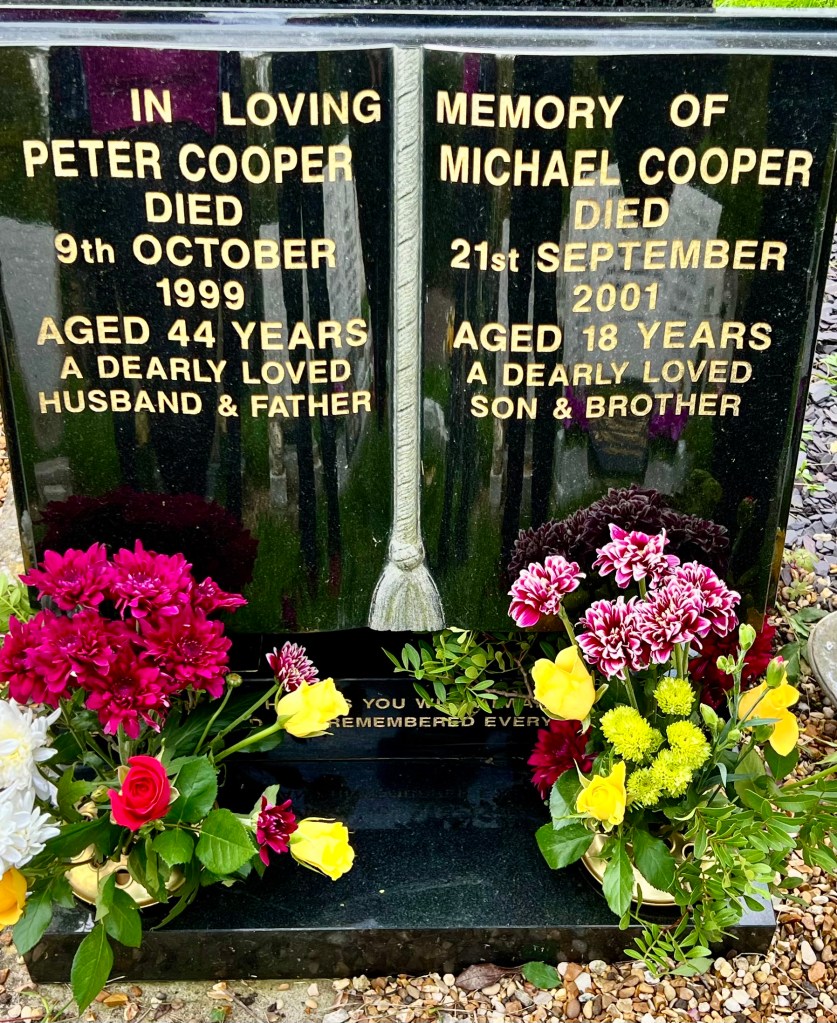
In October 1999, I lost my Dad to a heart attack – he was 44. Facing the World at twenty years old without my father’s guidance, honestly, felt pretty daunting.
Today, 21 September 2021 marks the 20th anniversary of what was, and still is, the worst day of my life. I was 21.
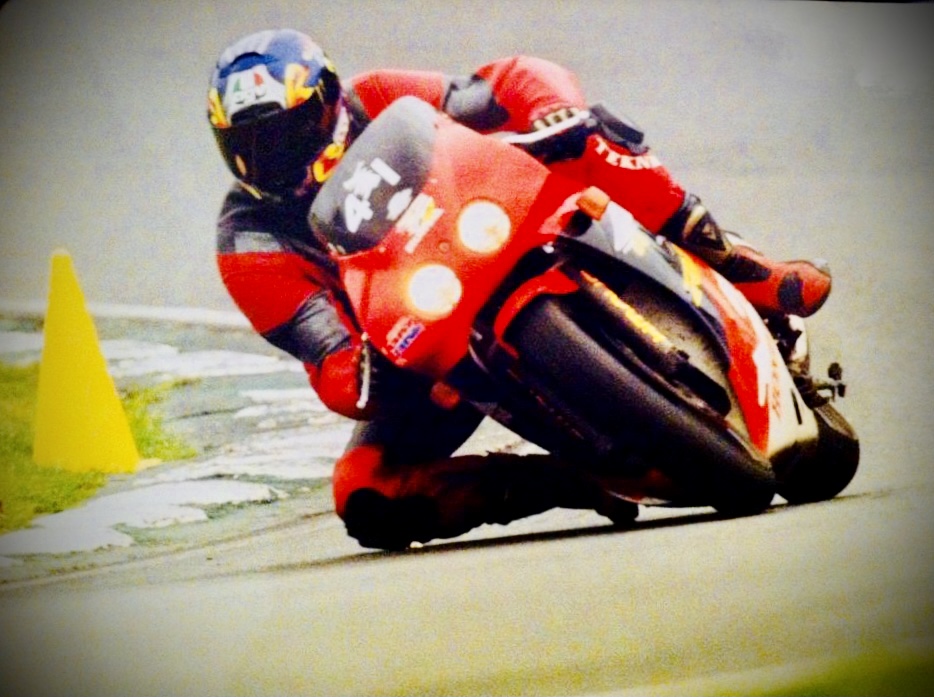
On 21 September 2001, my little brother, Michael, or Mikey to me, was killed in an accident whilst on his way to work. He was on his motorbike and as is so often the story, the driver ‘didn’t see him’.
Mikey didn’t stand a chance. He was 18 years old.
Mikey doing what he loved
It was also the day before my birthday and hearing what had happened knocked me clean off my feet. I felt like my heart had been ripped out of my chest and my life had been emptied of all purpose.
The first three months were spent in darkness. My life was dark, my head was dark and my heart, what was left of it, was dark.
I was like a zombie – completely numb. I would manage to function just enough to get by. I could drag myself to work and back but beyond that, honestly, I was just an empty shell.
I couldn’t go out or socialise. My interest in talking to anyone had completely wained and my ability to smile had been taken from me.
I’d go to bed, crying from the pain. I’d wake up, crying from the pain.
After a few weeks of this I knew I had to snap out of this. I realised that life is all about choices and I had a choice.
I could either live in wallow and let it take over my life or, I could go out there and live the best life I can, for myself, and in honour of my little brother.
So that’s what I decided to do and I set about rebuilding my life.
My Dad (right) and I in October 1999, one week before he died. We’d just got new motorbikes and spend the day riding.
“Life is always about choices”
The challenge was immense. It is so difficult to think about moving on and living your life when you know it’s not going to be the life you had or want, and that there will always be this void in everything you do from this moment on.
My best advice here is to take your time. Be gentle and kind on yourself, and take it one day at a time.
There are good days, there are bad days. Sometimes I would catch myself smiling at something and then quickly stop myself because, “how could I smile when I’ve lost my brother?”
Feeling guilty for being alive is real, and feeling guilty for enjoying life is hard. I would tell myself that this is what he would want, he would want me to start being happy again.
”Take your time, be gentle and kind on yourself”
The first year goes by in a blur and you’re forced to deal with some uncomfortable times.
The first Christmas, the first time you bring in a New Year, their birthday, your birthday, are all so difficult and then, the first anniversary.
It doesn’t feel like much has changed in twelve months. You’ve tried to move on but you remember that day in every minute detail, and it still feels like the wound from where your heart used to be is open and raw. I’ll be honest, at twenty years, I still remember every minute detail of that day.
After this point, once you’re in to the second year, it’s about moving forward as best you can. You have to dig deep to find the inner strength and will to push yourself to participate in life again, to smile, to laugh.
It may go against how you’re feeling inside but you have to find that strength to push on.
Was there anything you talked about doing together? Do it.
Was there anything they wanted to do? You could do it in their memory.
Was there anything you told them you wanted to do in life? Go out there and do it.
For me, Mikey loved cars. He had been working on cars with Dad since he was a kid and he had ideas on how I should upgrade my car. We’re talking body kit, bigger alloys, upgrading engine performance and so on.
So I did it.
And every time I got in that car, I felt OK because I had done what Mikey had wanted to do.
I know it might be tempting but please try to avoid turning to anything that numbs the pain, alcohol, drugs, that kind of stuff.
I believe that we are given the life that we have the strength to handle.
As much as I wish I did not have to handle this, I have to believe it was to help me become the person I’m meant to be.
Developing the resilience to make it through these times is not easy, it does not happen overnight. You have to work at it.
“If you’re going through hell, keep going”
Winston Churchill
When I reflect, I can see it’s helped me develop the compassion, empathy, strength and emotional intelligence to be a mentor, guide, and confidante to others over the years, going through their own difficult times.
The milestones will come. Two years, five years, ten years and now for me, twenty years.
Ride the emotional waves…
You just have to let the emotions come.
Remember, whatever you feel, is valid. Don’t try to suppress how you feel, you just have to ride the emotional wave as best you can, and know that you are capable of the strength to make it through.
For some reason, eleven years was a strangely emotional one for me. Maybe it was being into the second decade, I don’t know.
Having said that, the anniversary isn’t a depressing time. My family and I spend the day together, we’ll lay flowers, go for lunch and we remember Mikey. We celebrate his life and contemplate the man he may have become and would be today.
In the early years, it can be difficult to talk about. You want to keep their memory alive but thinking and talking about them stirs up the most heart-wrenching pain.
But don’t hold back.
If you feel you need or want to talk about them and how you’re feeling. Do it.
Getting those feelings of your chest and out in the open will be cathartic.
If you can’t or don’t want to talk, grab a notebook and let those emotions flow out on to the page. I did, and it really does help.
The age old saying is that ‘time heals’. It does. It’s not easy but you learn to live a different life.
I think about Mikey every single day.
I think about the fun times we’ve missed out on and the special occasions he wasn’t here for.
But I know he’s with me. In my heart, I still set a place at the Christmas table for him.
Sometimes, I still find it hard to smile or fully enjoy myself. Sometimes I feel lost, I know I’m not who I would be if my brother was still here but, I also believe I’m the person I’m meant to be.
Some years hit you harder. In 2019, I turned 40. Dad had been gone over half of my life, and Mikey had been gone longer than he was alive, that was such a tough year. I knew it was coming but it hit me like an emotional uppercut.
Here’s the thing. I believe everything happens for a reason. As difficult as it is, that’s how I try to look at it. For Dad, he could not have handled the loss of Mikey, especially as he was the reason we were in to motorbikes, but to this day, I can’t find a justifiable reason Mikey was taken from us. I just have to believe that how it is, is how it was meant to be.
So, in summary…
Life after loss is hard. But know that life and everything you do is is all about choices and you have a choice. Let it swallow you up in darkness or, turn on the light in your own life and use that to help put some love and light back into this World.
You can’t always control what happens to you but, you can choose how you respond. You can pursue the career, you can go on those holidays, you can experience those once in a lifetime moments, you can embrace the love that comes your way. You can still live a happy fulfilled life.
Getting back on a motorbike wasn’t easy, but it did make me smile!
Rather than being haunted by loss and tragedy, turn your attention to those still in your life.
You develop an appreciation for how short life is, and how precious it can be.
You realise more than most what is important. You can take joy from the simple things in life. A cup of coffee with a good friend means more than you could even explain.
Remember, life’s a journey. It’s full of highs, lows, pain, laughter, turmoil and elation.
Everything that happens, everything you experience is all part of your journey.
I grew up loving motorbikes but couldn’t even look at one for years afterwards, let alone ride one. But after a while, it felt like I had unfinished business and it was something I needed to do, for me. Now, riding motorbikes is one of my favourite things to do again.
There will always be reminders., embrace them with positivity and appreciate that you had them in your life, even if it was for too brief a time.
So Look, life after loss might means things are not how you planned or expected or but, you can get through the pain, and it helps you handle all of life’s challenges because very few things you encounter will be as difficult as what you have experienced.
What is the difference between a manager and a leader was the first question I was asked when starting my leadership journey and it’s something I still ask people to consider when we’re discussing their professional development.
The terms “manager” and “leader” are often used interchangeably, usually when referring to someone in authority or with line management responsibility.
In simple terms, managers manage what’s in front of them whereas leaders step to the front and inspire others to follow them.
Perhaps that’s a little too simplistic. There are many differences between managers and leaders, and the list could be a long one but, based on my experience, here are the top seven key differences.
1. Managers manage resources – Leaders inspire people
It’s pretty much that simple. Managers use the resources available to them, including staff, to manage tasks and processes. Leaders inspire people to want to take some form of action, work hard, put in discretionary effort, take on additional responsibility and includes inspiring others to want to follow them.
2. Managers maintain a position of stability – Leaders encourage and promote change
The clue is in the name. Managers are there to manage and in doing so, try to keep things under control, working to plans and within defined boundaries. Managers keep things orderly and ensure procedures are followed. Leaders create a vision for how things can be in the future, set new destinations and say “right, we’ll do what we need to in order to get there”. They enable others to believe in that vision of the future and want to help make it a reality. For leaders, it’s about focusing on the end goal and delivering results.
3. Managers are given responsibility – Leaders take ownership
This one becomes more visible as you look around. Many managers like things to be settled, doing their best to keep things controlled. They are given this responsibility due to the position they hold so aim to avoid the balance being upset. Leaders on the other hand step-up to take ownership. They don’t mind when things are less settled as this is often when progress is made and they thrive on being accountable. They take responsibility rather than being given it.
4. Managers help maintain the existing culture – Leaders create the culture
Your workplace culture will be influenced by whether you have a manager or leader. You can see the differences clearly in larger organisations where there is a general workplace culture and managers maintain that but, within the organisation there are teams or departments where the culture just feels a little different, like it’s taken the organisation culture a step further. That will be down to the leadership. You will see that people often want to work in these areas, usually due to the culture they’ve fostered.
5. Managers prefer to be right – Leaders prefer to do what is right
This one is about integrity. Managers can sometimes get caught up in being in the right in work situations. They don’t like to be seen to have made a mistake or admit that they were wrong. Leaders don’t really care who is wrong or right. If they’ve made a mistake, they’re prepared to own it. They focus on doing what is right, even if no one is looking or it’s not the easiest option.
6. Managers give their opinions – Leaders value the opinions of others
Managers will often say – “I think we should do x,y,z”. Leaders value the views of others and will ask for their perspectives – “how do you think we can do x,y,z?”. You’ll often see this in meetings, managers will be keen to put their opinions across first whereas leaders value input from others and will often allow others to express their views first.
7. Managers want to be the smartest person in the room – Leaders want to move into another room!
The saying goes, “if you’re the smartest person in the room, then you’re in the wrong room” – leaders know this and like to surround themselves with people they can continue to learn from whereas managers like the position of being the authority in the room.
In summary
There are many differences between managers and leaders, and we’re not implying it’s better to be one or the other.
Managers are very good at maintaining the status-quo and staying in the defined box. Leaders can appear a little more rebellious as they like to look outside the box at the opportunities that exist there.
Of course, businesses need a mixture of managers and leaders in order to maintain balance but it’s good to recognise and understand these differences.
As an individual, if you can find balance between the best traits of a manager and the best traits of leaders, you’re putting yourself in a strong position to succeed in your journey.
What do you think? What other differences are there? Are you a manager or a leader? Let us know down in the comments.
Getting your first job as a manager is an amazing feeling.
The World of management can be a fantastically rewarding career, one that will challenge you and allows you to develop every single day.
But, it can also be a little daunting. Suddenly you’re responsible for others and all eyes are on you to have the answers, especially when things are more difficult.
You’ve worked hard to get to where you are… be proud of yourself. This is the beginning of a great career journey but it can also be easy to put too much pressure on yourself too soon, so we’ve got these seven tips which will helps ease the transition in to your new role.
1. Understand that the way you work is going to be different
You’re used to having work allocated to you and having set tasks to complete by the end of the day. At the end of each day, you then have a nice pile of completed work so you can visibly see how much you’ve accomplished.
That’s not the case now. Other than tasks that may be delegated to you from your manager, you’re responsible for the workloads of yourself and others.
This doesn’t sound like much but believe me, it’s something many new managers have difficulty adjusting to.
When you leave work at the end of the day, you won’t see a nice neat pile of completed work to give you that warm fuzzy sense of accomplishment to tell you how amazing you are. You’ll more likely think, “I’ve been busy all day but what have I achieved?” Don’t worry, that’s normal.
You’ll have days when urgent matters arise and impact on your ability to work through the to-do list you’ve carefully created. Understand that is your job now – to successfully adapt to what is happening around you.
You’re also accountable too – if something needs to be done, the expectation is you get it done. If that means coming in early or staying a little later, then, within reason, it’s on you.
2. Get to know your team
I recommend to managers of any level to take time to meet with their team members. Get to know the individuals, understand what motivates them, how they feel about their role and what their ambitions are.
Take an interest in them on a personal level too. What’s their family situation? What are their hobbies? Are they in to music, follow a sports team or something else?
The point is to try to connect with people on an individual level as you now need these people to perform. You need the team to perform and do their job so you can effectively do yours. Therefore, the better you connect, the more beneficial this will become in time.
3. Keep learning
We’re going to assume you had a focused development plan to help you prepare and progress to this job, and you didn’t just fluke your way in!
Either way, never ever stop learning.
The focus of your development is likely to change, from being process oriented to being more behavioural and how to support others.
Understand that as a manager, you need to keep your skills up-to-date as the World of work and management is constantly changing.
Key development areas you may want to focus on include:
Find out about your company’s people processes. In particular, managing sickness absence,reward and recognition and performance appraisals. Know where they are, read them, understand them – if you want to be an effective manager, these are the basics you need to know.
Feedback skills – being able to provide effective feedback is an essential skill for managers at any level so it’s worth developing this capability early on in your career.
Motivation – people are motivated in so many different ways. The ability to motivate the individuals in your team will help you succeed so the better understanding you have of motivation, the better you will be able to harness this knowledge and help others want to perform. Start with Maslow’s Hierarchy of needs and Herzberg’s two-factor theory of motivation as these are two well known theories of motivation.
Beyond that – continue to do some research on management and leadership. Use a range of resources available to you – your organisation’s learning materials, blogs, articles, and YouTube videos for example.
4. You’re not there to be liked by everyone
We know, it’s nice to be liked but sometimes as managers we have to make tough decisions and do things that aren’t always popular.
People will challenge and test you, especially early on. Get comfortable with the fact you’re going to be criticised and judged, developing a thick skin is part of the journey.
Rather than being everyone’s friend, what your team really need from you is consistency, integrity and fairness. In time, they’ll learn that everything you do is in the best interests of the team. They might not always like you for it, but they’ll respect you for it.
“By failing to prepare, you are preparing to fail”
Benjamin Franklin
5. 5Ps
Ben Franklin reportedly said that “by failing to prepare, you are preparing to fail”, and it’s true.
At ThinkCanWill, we’re guided by the 5Ps – ‘Prior Preparation Prevents Poor Performance’.
In everything you do – be as prepared as you can. Allocate time in your increasingly busy diary to ensure you’re prepared. Prepare for changes you want to make, prepare for the nice meetings, prepare for the difficult ones, always be prepared.
6. Be patient
You’ve not done this before, you’re learning. You’re going to experience ups and downs. Some days will be great, other days you’ll wonder whether you’re cut out for it. Allow yourself to have these experiences and learn from them.
Many managers think they need to assert their authority straight away so come in and start making changes to ‘show people who’s boss’.
Our advice? Take your time to learn and understand the team, the individuals, the current performance, the service offering, the customers, their needs and expectations. Once you understand these different elements, you’re much better placed to make informed changes that better serve the interests of the team and its stakeholders.
7. Lead by example
The onus is on YOU to lead the way. You will have different experiences of managers and it takes time to find your style. The best advice at this stage is to behave the way you want your team to behave. Be the example for others to follow. Be the kind of person you’d look up to and want to follow.
Bossing people around because you’re in charge won’t get you very far – instead, treat everyone with dignity and respect and remember, the team don’t work for you, YOU work for the team.
Realising your job is to work for those in your charge will ensure your intentions are focused correctly and this will be a good guide throughout your career.
So there you go. You’re at the start of a potentially amazing and rewarding journey. Her patient, continue to learn and do what is right for your team. Enjoy the challenge, the responsibility and the achievements.
If you start to wonder if you’ve made the right move, remember, if you think you can, you will.
Can you believe it? England’s men’s football team came agonisingly close to glory in Euro 2020! Whilst they may not have been crowned champions, they did reach their first final in a major tournament since 1966, making them the most successful England squad in 55 years. Congratulations to the whole team, and to manager Gareth Southgate.
The role of a football manager is not an easy one. Everyone wants, expects results immediately, and there often is not much time to build anything before the calls for your resignation start coming in.
As a student of leadership, I observed the attitude and behaviour of the England manager with interest. Football team manager may seem far removed from the workplaces many of us ply our trade in but, there are many valuable lessons all current and aspiring leaders can learn from the England manager.
Here are my top 6 leadership lessons from Gareth Southgate.
He makes the tough decisions
Whether it’s to leave a star player out, or substitute a sub as he has need to do, Gareth Southgate makes the decisions that are right for the team, not the easy choices. Most importantly, he backs himself, knowing that people won’t always like it or agree, but he is comfortable in doing so because it’s driven by the right reasons.
He keeps his emotions in check
Whether he’s achieving success or is in a difficult, challenging situation, Gareth Southgate is a master at keeping cool. He doesn’t let his emotions get the better of him, instead, he remains calm and composed, and takes appropriate, rational action.
Inspires and motivates his team
One of the most important things Gareth does for the players is give them self-belief. He allows them to believe that they can. For me, this is one of the greatest responsibilities of a leader in any industry. To take a group of individuals and make them believe they can achieve as a team, is a superpower.
People often say things like they’ll “believe it when they see it”, for example, “we’ll believe England can win the tournament when we see it”.
A great leader says “you’ll see it, when you believe it”. You have to believe you can. Gareth allowed the players to believe they could win the tournament, and OK, not this time round but the future prospects are looking positive.
I guarantee you, someone on your team lacks confidence and self-belief. If you can help them believe in themselves, you’ll see a huge turnaround and they’ll become one of your most loyal, hardworking team members.
When good things are happening, it’s easy for a team to get carried away, to become complacent or take their eye off the ball (pun intended). What Gareth and great leaders do is help keep the team focused on the end goal. Along the way, you have to celebrate the small wins and the milestones, this will help with motivation but keeping focused on the big prize is where the real leaders stand out.
Individuals know their role in the team
In most teams, it can sometimes get congested with egos, large personalities, quiet personalities, differences of opinion. Sometimes, it’s easy to think that the person next to you is not performing just because they’re not behaving or doing things the same as someone else. Understanding roles and responsibilities is a little more obvious on a football pitch, we know Pickford is there to stop goals whilst Harry Kane is there to score them but in your team, it’s important to ensure everyone understands that they all have roles to play, and these roles are essential in any team. Belbin’s ‘nine team roles’ is a great way of understanding the roles required in a team, and understanding who fulfils those roles amongst your team members. I’m not going to go through them now but I’d recommend researching Belbin’s nine team roles.
Ultimately, all the team members know, regardless of the role they play, the success of the team is what it’s all about.
Takes all the responsibility and gives away all the credit
This is the one that really sets apart the great leaders. When things are going well, they give all the credit away. If you listen to the Gareth, he’ll give credit to the players, the coaching staff, the fans in the stadium, the fans watching at home! What he doesn’t do, is soak up the glory for himself.
Conversely, when things have gone awry, when times have been tough, when disappointment has been experienced, he owns it. He won’t place blame on the team or anywhere else, it’s on him. He knows that on this occasion, he didn’t get it quite right but, what he will also do, is learn from it and find ways to prevent the same mistake happening again.
Whether you’re an aspiring leader or responsible for people now, I hope these tips will help you in your leadership journey.
What other lessons can we learn from Gareth Southgate? Let us know in the comments.

















 Think Can Will